
Phuket Travel Tips: Visa, SIM Cards, Etiquette & More
A little preparation goes a long way in Phuket. From understanding Thai visa rules to knowing when to take off your shoes, these practical travel tips help you avoid common mistakes and experience the island like someone who has been there before. Bookmark this page — it covers everything you need before and during your trip.
Powered by ITINE
Get this guide as a tappable itinerary
Day-by-day plan, audio tours, and one-tap Google Maps — completely free.
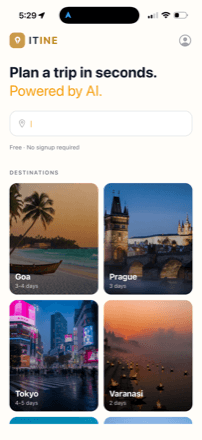
Destinations
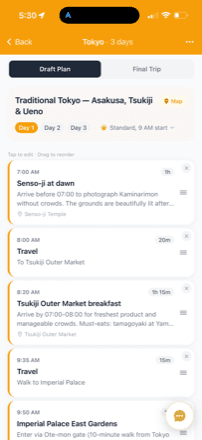
Your Itinerary
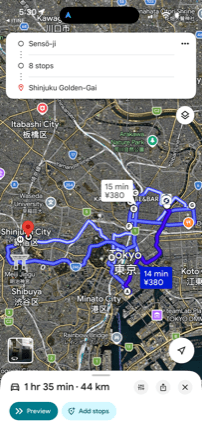
Google Maps
Visa & Entry Requirements
Thailand offers generous visa-free access to most nationalities. As of 2024, 57 countries receive a 60-day visa exemption stamp on arrival (extended from the previous 30 days). This includes citizens of the USA, UK, Australia, Canada, most EU nations, Japan, South Korea, and many others.
What you need:
- Passport valid for at least 6 months from entry date.
- Proof of onward or return travel (airlines occasionally check).
- Sufficient funds (20,000 THB per person or 40,000 THB per family — rarely checked but technically required).
Visa on Arrival (VOA): Available for 19 additional countries at the cost of 2,000 THB, granting a 15-day stay. Requires a passport photo and completed application form.
Extensions: The 60-day exemption can be extended by 30 days (total 90 days) at the Phuket Immigration Office in Phuket Town for 1,900 THB. Arrive early — the office gets busy.
SIM Cards & Internet
Getting a Thai SIM card is the single most useful thing you can do on arrival. Mobile data is fast, cheap, and essential for Google Maps, Grab, translation apps, and staying connected.
Best options:
- AIS Traveller SIM: 299 THB for 15 days unlimited 4G/5G data. Best overall coverage in Phuket. Available at the airport and any AIS shop.
- TrueMove H Tourist SIM: 299 THB for 15 days unlimited data. Good coverage, slightly cheaper data add-ons.
- DTAC Happy Tourist SIM: 299 THB for 15 days. Adequate coverage in tourist areas but weaker in remote spots.
eSIM option: If your phone supports eSIM, buy an Airalo or Holafly eSIM before departure. No physical SIM swap needed, activates instantly.
Wi-Fi: Hotels, cafes, restaurants, and 7-Elevens all offer free Wi-Fi. Coverage is good but speed varies. A Thai SIM is still recommended for reliable connectivity on the go.
Money, ATMs & Tipping
Currency: Thai Baht (THB). Roughly 35 THB = $1 USD (check current rate before travel).
Cash vs. cards: Cash is still king in Phuket, especially at markets, street food stalls, small restaurants, tuk-tuks, and beach vendors. Credit cards are accepted at hotels, large restaurants, shopping malls, and tour operators. Always carry at least 2,000–3,000 THB in cash.
ATMs: Available everywhere. All Thai ATMs charge a 220 THB fee per withdrawal for foreign cards (on top of your bank's fee). Withdraw the maximum amount (20,000–30,000 THB) to minimize fees. Always decline the ATM's "convert to your currency" offer — it uses a terrible exchange rate.
Best exchange rates: SuperRich (orange sign, Phuket Town), or exchange offices on Rat-U-Thit Road in Patong. Avoid exchanging at hotels or the airport (except small amounts for immediate needs).
Tipping: Not mandatory but appreciated. Round up the bill at restaurants (or leave 20–50 THB). Tip massage therapists 50–100 THB. Tip hotel housekeeping 20–50 THB/day. Tour guides and drivers: 100–200 THB per person for a full-day tour.
Cultural Etiquette
Thai culture is warm, hospitable, and forgiving of tourist mistakes — but understanding a few key customs will earn you smiles and respect.
The Monarchy: The Thai royal family is deeply revered and protected by strict lese-majeste laws. Never make disrespectful comments about the King, Queen, or royal family — even jokingly. This includes stepping on Thai banknotes (which bear the King's image).
The Wai: The traditional Thai greeting — placing palms together and bowing slightly. Return a wai when given one by a Thai person. You do not need to wai children, service staff, or cashiers. A smile is always sufficient.
Head & Feet: The head is considered the most sacred part of the body. Never touch someone's head, even a child's, playfully. Feet are the lowest and most unclean. Never point your feet at people, Buddha images, or temples. Sit with your feet tucked beneath you or to the side when on the floor.
Shoes: Remove shoes before entering temples, homes, and some shops. If you see a pile of shoes at the entrance, take yours off.
Public behavior: Public displays of anger, shouting, or confrontation are deeply frowned upon. Thais value "face" and composure. If something goes wrong, stay calm and smile — you will get much better results than raising your voice.
Temple Dress Code & Visiting Etiquette
Phuket has numerous Buddhist temples (wats) and Chinese shrines. Visitors are welcome but must dress and behave respectfully.
Dress code:
- Cover shoulders (no tank tops or strapless tops).
- Cover knees (no shorts above the knee or miniskirts).
- No see-through clothing.
- Remove shoes before entering any building inside the temple complex.
- Free sarong wraps are available at most major temples (Wat Chalong, Big Buddha) if you forget.
Behavior inside temples:
- Never climb on or lean against Buddha statues.
- Women must never touch a monk or hand anything directly to a monk.
- Sit with feet pointed away from Buddha images.
- Speak softly and turn off phone sounds.
- Photography is usually allowed outside; check for signs inside buildings.
Donations: Temples are funded by donations. A small contribution (20–100 THB) in the donation box is appreciated but never obligatory.
Bargaining & Shopping Tips
Bargaining is expected in markets, street stalls, and independent shops. It is not appropriate in restaurants, convenience stores, supermarkets, malls, or with metered taxis.
How to bargain:
- Start by offering 50–60% of the asking price.
- The vendor will counter. Meet somewhere around 70–80% of the original price.
- Stay friendly and smile throughout — bargaining is a social exchange, not a confrontation.
- If the price is not right, say "thank you" and walk away. The vendor will often call you back with a lower offer.
- Do not bargain for items under 100 THB — the savings are not worth the effort.
Best markets for shopping:
- Naka Weekend Market — Largest market in Phuket. Clothes, souvenirs, street food.
- Old Town Sunday Walking Street — Arts, crafts, food, and live music.
- Chillva Market — Hip local market with vintage clothing and Thai snacks.
Packing Essentials
Phuket is tropical — keep it light. Here is what experienced travelers always bring:
- Reef-safe sunscreen (SPF 50+) — more expensive in Thailand; bring from home.
- Insect repellent (DEET-based) — essential for evenings and the monsoon season.
- Light rain jacket or compact umbrella — useful year-round; essential May–October.
- Water shoes — for rocky beaches like Freedom Beach, Ao Sane, and Ya Nui.
- Dry bag — protects phone and wallet on boat trips and at the beach.
- Lightweight long pants + scarf — for temple visits.
- Universal power adapter — Thailand uses Types A, B, and C plugs (220V). Most USB chargers are dual-voltage.
- Reusable water bottle — refill from large jugs (35 THB for 6 liters at 7-Eleven).
Weather & When to Visit
High season (November–April): Dry, sunny weather with temperatures of 27–33°C. Calm seas, excellent visibility for snorkeling and diving. December–February is peak season with highest prices and crowds.
Low/green season (May–October): Warmer (28–34°C) with afternoon rain showers lasting 1–3 hours. Mornings are often sunny. Prices drop 30–60%. West coast beaches can have large waves and strong currents — check flags before swimming.
Best overall months: November and March/April offer good weather with lower prices and thinner crowds than the December–February peak.
Tips
- Learn three Thai phrases and you will be treated like a friend: "Sawadee khrap/ka" (hello), "Khop khun khrap/ka" (thank you), and "Mai pet" (not spicy).
- Always carry toilet paper or tissues — not all public restrooms provide them.
- Download Google Translate's Thai offline package before your trip for menus and signs.
- Thai electrical outlets accept both flat and round prongs — most international plugs work without an adapter, but check first.
- Do not over-plan your first day. Jet lag, heat, and time-zone adjustment are real — keep it light with a beach visit and early dinner.
- Buy travel insurance before departure. It is cheap ($5–10/day) and invaluable if something goes wrong.
Frequently Asked Questions
Was this article helpful?