
Similan Islands Day Trip
The Similan Islands are Thailand's crown jewel for underwater exploration — a chain of eleven granite islands roughly 70 kilometres northwest of Phuket in the Andaman Sea, and consistently ranked among the top ten dive sites in the world. The national park is open only from mid-October to mid-May each year, and those six months of exclusivity are a major reason the reefs remain in pristine condition. What makes the Similans exceptional is visibility. On a good day you can see 30 metres or more through water so clear it barely feels like water at all. Massive granite boulders create dramatic underwater landscapes covered in hard and soft coral, sheltering manta rays, whale sharks (seasonal), reef sharks, sea turtles, and clouds of tropical fish in concentrations you will not find anywhere else within reach of Phuket. The islands themselves are stunning above water too — white powder sand beaches with no development, enormous smooth boulders balanced in impossible formations (the famous Sail Rock on Island #8 is a Similan icon), and jungle interiors with monitor lizards and fruit bats. The day trip is long and demands an early start, but the Similans deliver an experience that makes Phi Phi look like a municipal swimming pool.
Powered by ITINE
Get this guide as a tappable itinerary
Day-by-day plan, audio tours, and one-tap Google Maps — completely free.
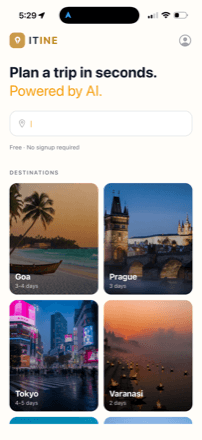
Destinations
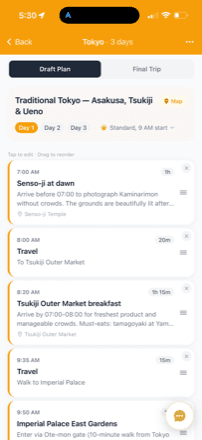
Your Itinerary
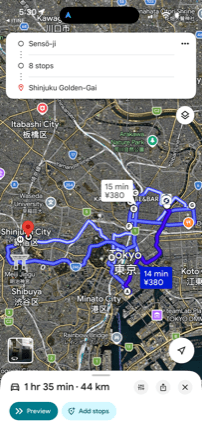
Google Maps
Highlights
World-class snorkeling — visibility reaching 25-30 metres over pristine coral reefs teeming with reef sharks, turtles, and giant moray eels
Sail Rock viewpoint (Island #8) — climb to the top of the iconic balanced boulder for a panoramic view over the archipelago
Princess Beach (Island #4) — powder-white sand with no development, backed by jungle and lapped by impossibly clear turquoise water
Manta ray encounters (seasonal) — between February and April, manta rays frequent cleaning stations around the islands
Pristine coral gardens — hard and soft corals in excellent health thanks to the park's annual closure and strict protection
Giant granite boulders — unique underwater boulder formations create swim-throughs, arches, and caves unlike any other dive site in Thailand
Marine biodiversity — spot clownfish, Napoleon wrasse, barracuda schools, hawksbill turtles, and blacktip reef sharks in a single snorkeling session
Schedule
Hotel Pickup
Very early morning pickup from your Phuket hotel by minivan. The drive to the departure pier at Tap Lamu in Phang Nga province takes approximately 1.5 hours from the west coast beaches. This early start is non-negotiable — the Similans are 70 km offshore and the park has strict operating hours.
Tips
- Pack everything the night before — you will be half-asleep at 5 AM
- Take motion sickness medication before the drive if you are prone to seasickness
- Eat a light breakfast — heavy food before the sea crossing can cause nausea
- Most hotels will prepare an early breakfast box if you ask the night before
Departure from Tap Lamu Pier
Board a high-speed catamaran or speedboat at Tap Lamu Navy Pier in Phang Nga. A light breakfast (coffee, toast, fruit) is typically served at the pier or on the boat. The crossing to the Similan Islands takes 60-80 minutes by speedboat, longer by larger catamaran. The open ocean crossing can be bouncy in the early season (October-November) when seas have not fully calmed.
Tips
- Sit at the back of the speedboat for less impact
- The crossing is open ocean — rougher than the sheltered Phang Nga Bay route
- Catamarans are more expensive but significantly more comfortable for the crossing
First Snorkeling Stop — Island #9 (Koh Ba Ngu)
Your first snorkeling stop is typically around Island #9, where granite boulders create an underwater wonderland. Giant boulders the size of houses sit on white sand at 5-15 metre depth, covered in vibrant corals and swarming with fish. This is where you are most likely to see blacktip reef sharks cruising between the boulders. The visibility here is often the best of the day — 20-30 metres of crystalline water.
Tips
- If you have your own high-quality mask and snorkel, bring them — the difference is significant
- Do not chase reef sharks — stay still and they will swim past you
- Free-diving between the boulders is spectacular if you are comfortable holding your breath
Island #8 (Koh Similan) — Sail Rock and Beach
Arrive at the main island of the Similan group. Disembark at Donald Duck Bay, named for a rock formation that resembles the Disney character. Walk through the jungle to climb Sail Rock — an enormous smooth granite boulder balanced on the hillside that has become the Similan Islands' signature landmark. The viewpoint at the top offers a 360-degree panorama across the archipelago. Back at the beach, the sand is dazzling white and the water a shade of turquoise that photographs struggle to capture accurately.
Tips
- The climb to Sail Rock is short but steep with some rock scrambling — wear shoes, not flip-flops
- The beach at Donald Duck Bay is one of the most beautiful in Thailand — take your time
- Watch for monitor lizards and fruit bats in the jungle on the walk up
Second Snorkeling Stop — Island #7 (Koh Payu)
The second snorkeling stop typically features excellent coral gardens in shallower water (2-8 metres), making it ideal for less confident swimmers. Expansive fields of staghorn coral, brain coral, and table coral host dense populations of butterfly fish, angelfish, parrotfish, and the ever-photogenic clownfish in their anemone homes. This is also a good spot for sea turtles — hawksbills are regularly sighted feeding on the reef.
Tips
- This is the best stop for underwater photography — shallow, clear, and colourful
- Do not touch or stand on coral — even gentle contact can kill decades of growth
- Turtles are not shy here — if you stay calm, they will often swim right past you
Lunch on Island #4 (Koh Miang)
Lunch is served on Koh Miang, the administrative hub of the national park. The island has basic facilities including a restaurant, toilets, and a park office. The buffet lunch is typically Thai staples — fried rice, green curry, stir-fried vegetables, fresh fruit. The beach here (Princess Beach) is spectacularly beautiful — powdery white sand, overhanging trees, and water so clear you can see fish from the shore.
Tips
- Walk to the far end of Princess Beach for the quietest section
- The park has a small nature trail through the jungle if you want to explore
- There is a second beach (Sunset Beach) on the other side of the island — a 10-minute walk
Third Snorkeling Stop — Island #5 or #6
The final snorkeling stop varies by operator but typically visits the waters between Islands #5 and #6, where strong currents bring nutrient-rich water and attract larger pelagic fish. This is the most likely spot to see larger marine life — Napoleon wrasse, giant trevally, barracuda schools, and occasionally manta rays (February to April). The underwater granite boulder formations here are dramatic, creating swim-throughs and archways.
Tips
- Watch for currents — this site can have stronger flow than the earlier stops
- Look in the blue water beyond the reef for larger fish and rays
- This is the deepest snorkeling stop (up to 15 metres visible below) — free-divers love it
Return Journey to Tap Lamu Pier
Board the boat for the 60-80 minute return crossing to the mainland. Fresh fruit and drinks are usually served. The afternoon return can be rougher than the morning departure as winds tend to pick up. Most passengers rest or review their underwater photos.
Pier Arrival and Transfer
Arrive at Tap Lamu Pier and board the minivan for the 1.5-hour drive back to your Phuket hotel. Expect to arrive at your accommodation between 5:30 PM and 6:30 PM depending on location and traffic. The drive is a good time to nap — most people are exhausted from the early start, sun, and ocean.
Practical Information
Getting There
Day trips depart from Tap Lamu Navy Pier in Phang Nga province, approximately 1.5 hours north of Phuket's west coast beaches. All reputable operators include hotel pickup from Patong, Kata, Karon, and Phuket Town. The very early pickup time (5:00-5:30 AM) is unavoidable due to the distance.
Getting Around
All transport is by speedboat or catamaran. Your tour handles transfers between islands. Snorkeling is from the boat at designated sites. Landing is permitted at select islands only (4 and 8 being the primary ones). The national park regulates all movements strictly.
Best Time to Visit
The Similan Islands are open mid-October to mid-May only. The best conditions are January to April when visibility peaks at 25-30 metres and seas are calmest. February to April offers the best chance of manta ray sightings. October-November can have residual monsoon swell making crossings rougher.
Budget
Budget group tours start from ฿2,500 per person including transfers, lunch, equipment, and park fees. Mid-range tours (฿3,500) offer smaller groups and better boats. Premium private or semi-private tours start from ฿7,000+ with luxury speedboats, personal guides, and upgraded equipment. The ฿500 national park fee is usually included.
Safety
Life jackets are mandatory and provided. Snorkeling sites are chosen for calm conditions, but currents exist — stay close to your guide. The biggest risk is the open-sea crossing, which can be rough. Sunburn is a major hazard — the equatorial sun reflecting off clear water is intense. Bring and reapply reef-safe sunscreen frequently.
Pro Tips
- The Similans are CLOSED from mid-May to mid-October — do not book outside this window
- Bring reef-safe sunscreen — the park is very strict about protecting coral
- Your own quality snorkel mask makes a significant difference in this crystal-clear water
- Bring a rashguard — you will snorkel 2-3 hours total and sunburn is a real risk
- A waterproof camera or GoPro is worth the investment — the underwater scenery is spectacular
- Bring motion sickness medication for the open-ocean crossing
- Book early in high season (December-February) — popular tours sell out days in advance
Best Time to Go
The Similan Islands National Park is open from mid-October to mid-May each year. Within that window, January to April offers the best conditions: flat seas, minimal rain, and underwater visibility regularly exceeding 25 metres. February to April is manta ray season, when these gentle giants visit cleaning stations around the islands. The early season (October-November) can have residual monsoon swell making crossings rougher and visibility slightly lower (15-20 metres, still excellent). December is good but busier with holiday crowds. For the ultimate experience, visit in February or March when conditions peak and the reefs are at their most vibrant.
Frequently Asked Questions
Was this article helpful?